
Recovery Education
Mental Wellness Tips During Recovery in Orange County

Recovery from addiction involves much more than physical sobriety. Emotional wellness, stress management, healthy routines, and mental stability all play major roles in long term recovery success. Many individuals entering sobriety quickly realize that emotional healing continues long after substance use stops. Anxiety, emotional exhaustion, mood swings, stress, and unhealthy coping patterns may still affect…
Read MoreHow Families Support Addiction Recovery in Orange County

Addiction affects far more than the individual struggling with substance abuse. Families, relationships, and support systems are often deeply impacted emotionally, mentally, and financially over time. Communication may break down, trust becomes damaged, emotional stress increases, and many families feel overwhelmed while trying to understand how to help someone they care about. Recovery therefore becomes…
Read MoreHow Relapse Prevention Support Helps in Orange County

Relapse prevention is one of the most important parts of long term addiction recovery. While becoming sober is a major accomplishment, maintaining sobriety over time often requires emotional awareness, healthy routines, support systems, and coping skills that help individuals manage stress and recovery challenges consistently. Many people entering recovery initially focus on stopping substance use…
Read MoreRecovery Support Services That Help People in Santa Ana

Recovery from addiction often requires much more than simply completing treatment or becoming sober. Many individuals entering recovery continue facing emotional stress, mental health struggles, financial pressure, relationship problems, and lifestyle instability long after substance use stops. Without healthy support systems and structured guidance, maintaining sobriety can become much more difficult during stressful periods. Recovery…
Read MoreHow Addiction Recovery Support Helps People in Santa Ana

Recovery from addiction is rarely something people manage successfully completely alone. While becoming sober is an important step, long term recovery often requires emotional support, healthy routines, accountability, and stable environments that help individuals continue healing after treatment begins. Many people struggling with addiction experience isolation, emotional instability, damaged relationships, and unhealthy coping patterns that…
Read MoreWhat Relapse Prevention Really Means
Relapse prevention is often misunderstood as simply avoiding substance use. In reality, it is a structured and ongoing process that involves awareness, preparation, and consistent effort. Understanding what relapse prevention really means requires looking at the patterns that lead to relapse and the strategies that help interrupt those patterns before they fully develop. Relapse does…
Read MoreHow Therapy Helps Addiction Recovery

Addiction is not only a physical condition. It is deeply connected to thoughts, emotions, behaviors, and past experiences. Because of this, recovery requires more than stopping substance use. Understanding how therapy helps addiction recovery makes it clear that lasting change comes from addressing the underlying causes that drive substance use in the first place. Many…
Read MoreBenefits of Long Term Addiction Recovery

Long-term recovery from addiction is more than maintaining sobriety. It represents a sustained shift in how a person lives, thinks, and functions on a daily basis. When looking at the benefits of long term addiction recovery, it becomes clear that the impact extends far beyond avoiding substances. It affects physical health, mental clarity, relationships, and…
Read MoreWhy People Resist Getting Help for Addiction
Addiction does not only affect behavior. It also affects how people think about themselves, their situation, and the idea of getting help. Understanding why people resist getting help for addiction requires looking beyond the surface and recognizing the emotional and psychological barriers that prevent action. For many individuals, the issue is not a lack of…
Read MoreHow Addiction Affects Decision Making Skills
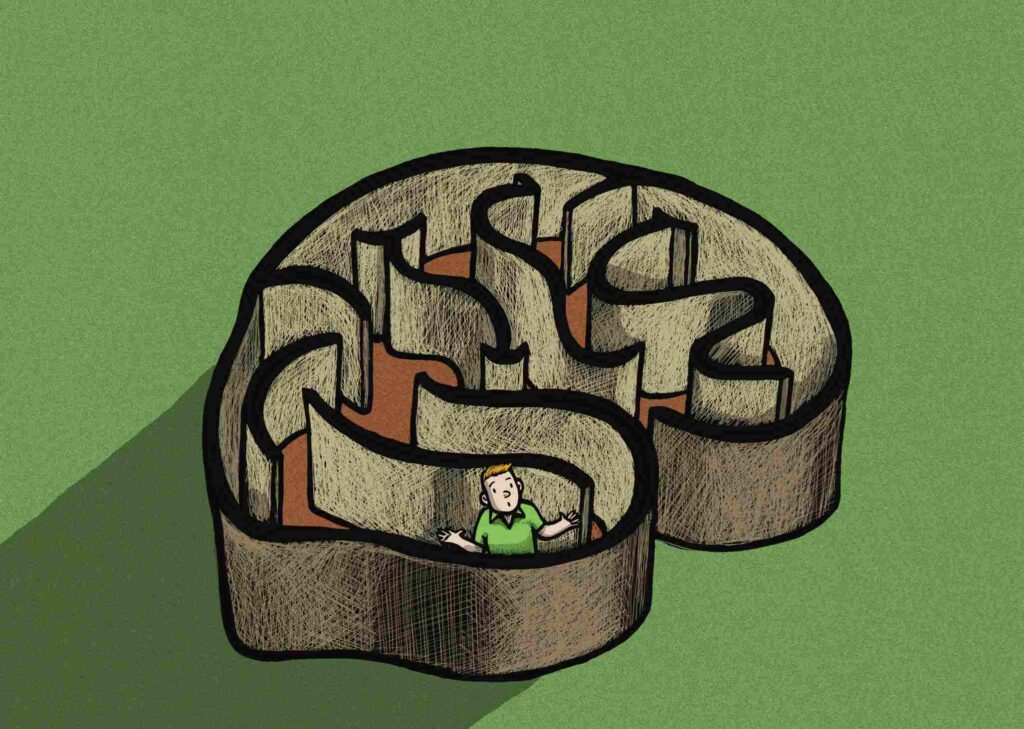
Addiction does not only affect behavior on the surface. It changes how a person thinks, processes information, and makes decisions over time. When looking at how addiction affects decision making skills, it becomes clear that substance use alters the brain in ways that weaken judgment, increase impulsivity, and make risky choices more likely. Decision making…
Read More