
Recovery Life
Recovery Challenges After Treatment Ends

Completing addiction treatment is one of the most important milestones in recovery, but it is not the end of the journey. Many individuals leave treatment feeling hopeful, motivated, and excited to begin the next chapter of their lives. At the same time, they often discover that returning to everyday life brings new challenges they did…
Read MoreBuilding Emotional Resilience After Rehab

Recovery is filled with victories, but it also includes challenges that cannot always be avoided. Stressful situations, unexpected setbacks, relationship conflicts, financial pressure, grief, disappointment, and emotional ups and downs remain part of life long after addiction treatment ends. The difference is that recovery teaches individuals how to face those experiences without returning to drugs…
Read MoreRecovery Focused Lifestyle Changes That Last

One of the biggest misconceptions about addiction recovery is that sobriety alone changes everything. While stopping drug or alcohol use is a tremendous accomplishment, lasting recovery usually requires something much deeper. It involves changing the daily habits, routines, relationships, and thought patterns that once supported addiction and replacing them with choices that support long term…
Read MorePersonal Growth After Addiction Recovery

For many people, addiction slowly becomes the center of life. Decisions begin revolving around obtaining substances, avoiding withdrawal, hiding the addiction, or recovering from its consequences. Over time, personal goals, hobbies, relationships, careers, and dreams often take a back seat as addiction consumes more attention and energy. Recovery changes that direction by creating opportunities to…
Read MoreStress Management After Rehab

Stress is one of the few challenges every person will continue facing after addiction treatment. Returning to work, rebuilding relationships, managing finances, raising children, coping with unexpected setbacks, and handling everyday responsibilities are all normal parts of life. Recovery does not remove these pressures. Instead, it teaches individuals how to respond to them without returning…
Read MoreHealthy Decision Making After Addiction
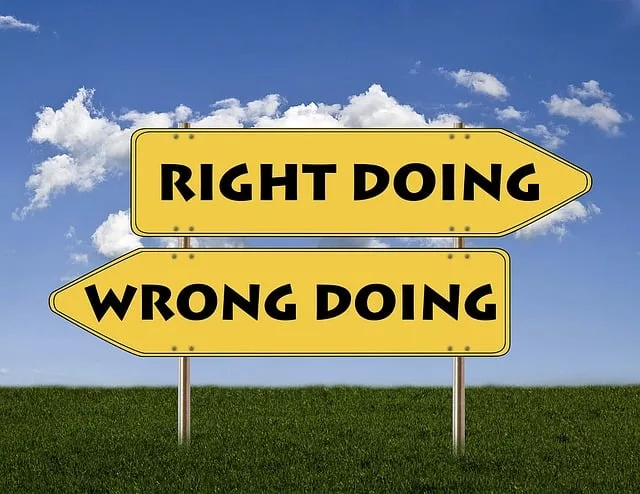
One of the greatest challenges people face after addiction treatment is not simply avoiding drugs or alcohol. It is learning how to make healthy decisions consistently when life becomes stressful, emotional, or uncertain. During active addiction, many decisions are influenced by immediate relief rather than long term wellbeing. Recovery creates an opportunity to replace impulsive…
Read MoreRecovery Success Habits That Actually Work
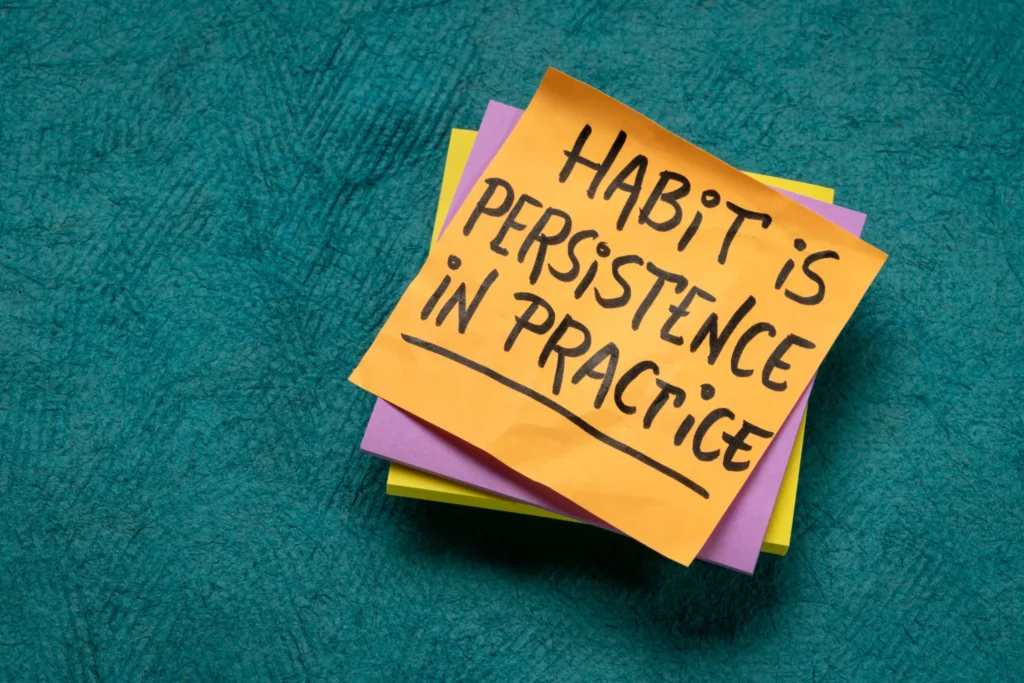
Many people begin recovery believing success depends on one major decision: deciding to stop using drugs or alcohol. While making that commitment is incredibly important, long term sobriety is usually built through something much less dramatic. It is built through daily habits. The choices someone makes every morning, every afternoon, and every evening gradually shape…
Read MoreHow Families Heal During Addiction Recovery

Addiction affects far more than the individual struggling with substance use. Over time, family members often experience fear, frustration, broken trust, financial stress, emotional exhaustion, and uncertainty as they watch someone they love battle addiction. Relationships that were once healthy may become strained, communication may break down, and family members often develop unhealthy patterns as…
Read MoreRecognizing Relapse Warning Signs Early

One of the biggest misconceptions about relapse is that it happens suddenly. Many people imagine relapse as a single decision made in a moment of weakness, but addiction recovery professionals understand that relapse is usually a gradual process rather than an isolated event. Long before someone returns to drugs or alcohol, there are often emotional,…
Read MoreMental Wellness After Addiction Treatment
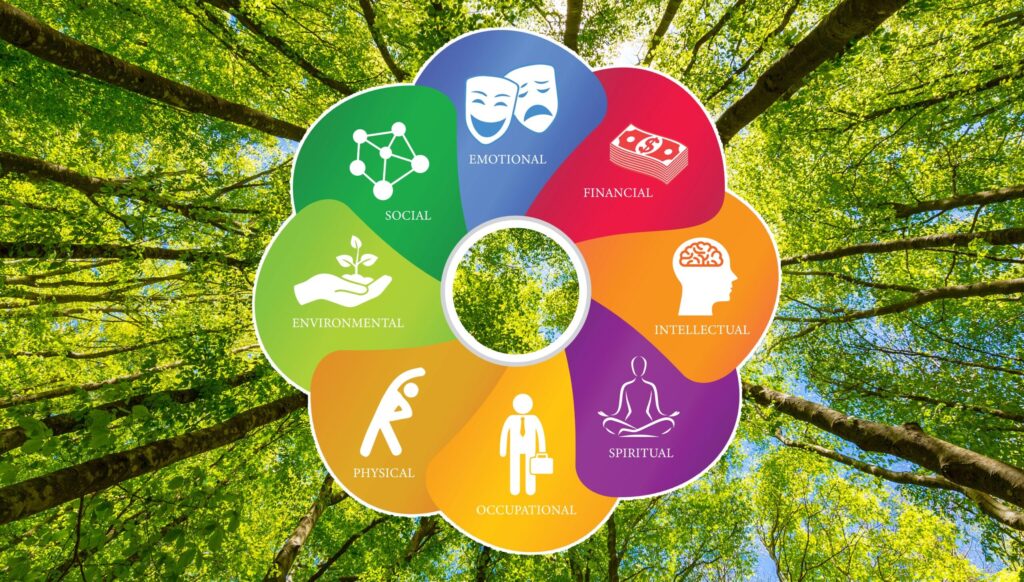
Completing addiction treatment is an important achievement, but recovery involves much more than maintaining physical sobriety. Many individuals discover that once drugs or alcohol are no longer part of daily life, they must also learn how to manage emotions, respond to stress, and care for their mental health in new ways. This adjustment is completely…
Read More