
Recovery Education
How Addiction Affects Families Emotionally

Addiction does not only impact the person using substances. It affects everyone connected to them, especially family members. When people ask how addiction affects families emotionally, they are often trying to make sense of the stress, confusion, and pain that builds over time. The emotional toll is real, and it often develops slowly, making it…
Read MoreImportance of Support Systems in Recovery

Recovery from addiction is not something most people can sustain alone. While the decision to stop using substances is personal, maintaining long-term sobriety often depends on the presence of consistent, reliable support. This is why the importance of support systems in recovery cannot be overstated. Addiction tends to isolate individuals. It can damage relationships, reduce…
Read MoreHow to Manage Addiction Triggers Effectively
Addiction triggers are one of the most common causes of relapse, especially in early recovery. Even after someone has stopped using drugs or alcohol, certain situations, emotions, or environments can create a strong urge to return to substance use. This is why learning how to manage addiction triggers is not optional. It is a core…
Read MoreWhy Cravings Happen During Recovery

Cravings are one of the most challenging parts of addiction recovery. Even after someone stops using drugs or alcohol, the urge to return can still show up unexpectedly. This leads many people to ask why cravings happen in recovery, especially when they are committed to staying sober. The answer comes down to how addiction changes…
Read MoreHow Long Addiction Recovery Really Takes
Addiction recovery is often misunderstood as something that happens quickly or within a clearly defined timeframe. Many people expect a simple answer when asking how long addiction recovery takes, but the truth is more complex. Recovery is not a fixed process with a set endpoint. It is a gradual and ongoing transformation that affects the…
Read MoreWhat Happens During Withdrawal Symptoms

Withdrawal is one of the most misunderstood parts of addiction. Most people think of it as a short period of discomfort after stopping substance use. In reality, withdrawal is the brain and body reacting to the sudden absence of something they have adapted to over time. Understanding what happens during withdrawal symptoms requires looking at…
Read MoreHow Trauma Leads to Substance Abuse
Trauma does not always look the way people expect it to. It is not limited to extreme events or single moments. Trauma can build slowly over time, shaped by repeated experiences, unresolved stress, or environments that never felt safe. When trauma is not processed, it does not disappear. It stays active in the body and…
Read MoreMental Health and Addiction Connection Explained
The connection between mental health and addiction is not surface level. It is direct, layered, and often misunderstood. Many people look at substance use as the primary problem, but in a lot of cases, it is only part of what is happening. Understanding the mental health and addiction connection means recognizing that both conditions often…
Read MoreHow Stress Contributes to Substance Abuse

Addiction does not stay the same. It progresses. What starts as occasional use can turn into something that feels constant, necessary, and difficult to control. People often recognize that things are getting worse, but they do not always understand why. The answer is not just habit. It is how the brain and behavior adapt over…
Read MoreEarly Signs of Relapse to Watch For
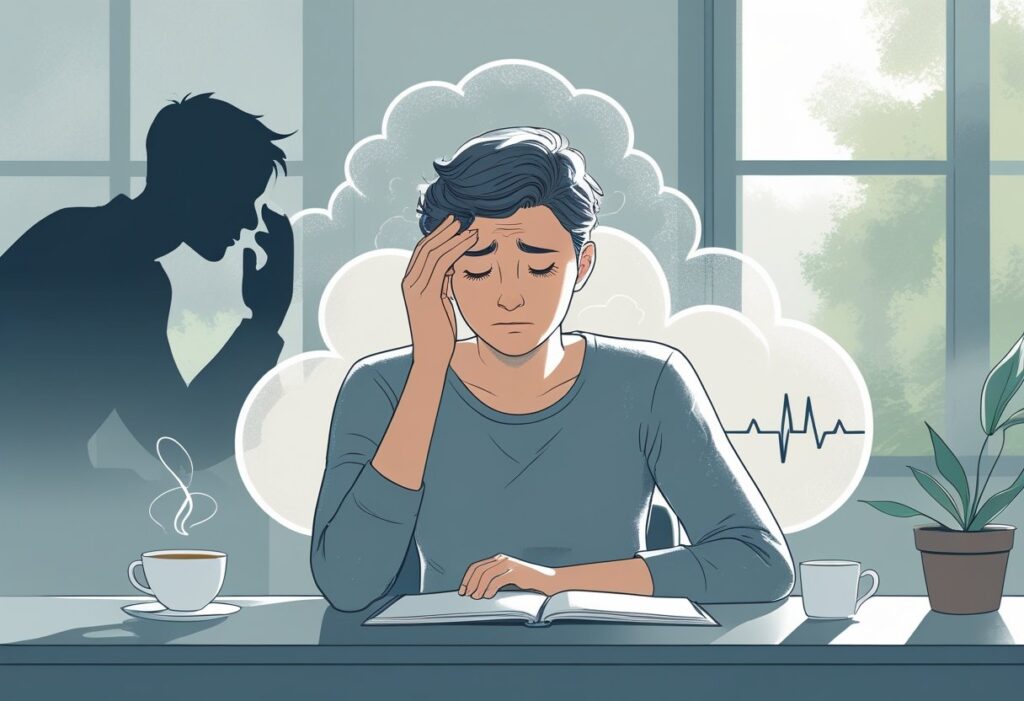
Relapse rarely starts with the first drink or the first use. It starts earlier, in ways that are easy to miss if you are not paying attention. By the time substance use happens again, the process has usually been building for days or weeks. Understanding the early signs of relapse to watch for gives people…
Read More