The Recovery Blog

Your resource for real recovery & support. 
Successful Recovery Habits for Lasting Sobriety

By Tyler R., CBHT | June 30, 2026 |

Recovery is rarely defined by one major decision. While choosing to seek treatment is one of the most important moments in a person’s life, long term sobriety is usually built through hundreds of smaller decisions repeated every day. Healthy routines, positive relationships, emotional awareness, and consistent personal responsibility gradually become the habits that support lasting…

Creating Stability During Recovery

By Tyler R., CBHT | June 29, 2026 |

Recovery is often described as taking life one day at a time, but lasting sobriety is rarely built through individual days alone. It is built through stability. While detox and treatment help individuals begin recovery, the weeks and months that follow are when healthy routines, emotional balance, and consistent decision making begin shaping the future.…

Mental Health Healing After Addiction

By Tyler R., CBHT | June 28, 2026 |

For many people, recovery begins with stopping the use of drugs or alcohol, but lasting healing often requires much more than physical sobriety. Addiction and mental health are closely connected, and many individuals discover that once substances are no longer masking their emotions, they must also begin addressing anxiety, depression, trauma, grief, stress, or other…

Finding Motivation for Long Term Sobriety

By Tyler R., CBHT | June 27, 2026 |

Recovery often begins with a powerful reason to change. For some individuals, that reason may be family. Others seek treatment because of declining health, legal problems, career consequences, or simply reaching a point where addiction has become too painful to continue. Whatever the reason, that initial motivation is often strong enough to begin the recovery…

Recovery Challenges After Treatment Ends

By Tyler R., CBHT | June 26, 2026 |

Completing addiction treatment is one of the most important milestones in recovery, but it is not the end of the journey. Many individuals leave treatment feeling hopeful, motivated, and excited to begin the next chapter of their lives. At the same time, they often discover that returning to everyday life brings new challenges they did…

Recovery Support for Families and Loved Ones

By Tyler R., CBHT | June 25, 2026 |

When someone enters addiction treatment, the focus naturally centers on the individual seeking recovery. However, addiction rarely affects only one person. Parents, spouses, children, siblings, grandparents, and close friends often spend months or even years living with the uncertainty, fear, and emotional strain that addiction creates. By the time treatment begins, loved ones may be…

Healthy Boundaries After Addiction Recovery

By Tyler R., CBHT | June 24, 2026 |

Recovery often begins with learning how to stop using drugs or alcohol, but long term healing requires much more than maintaining sobriety. It also involves changing the relationships, habits, and environments that once supported addiction. One of the most important skills individuals develop throughout recovery is learning how to establish healthy boundaries. Many people entering…

Rebuilding Confidence During Recovery

By Tyler R., CBHT | June 23, 2026 |

One of the greatest losses addiction creates is not always visible from the outside. While addiction often affects physical health, relationships, finances, and employment, it also quietly damages self-confidence. Many individuals spend years doubting themselves after broken promises, failed attempts to quit, strained relationships, and difficult life experiences caused by substance use. Even after completing…

Maintaining Sobriety in Orange County

By Tyler R., CBHT | June 22, 2026 |

Achieving sobriety is a major accomplishment, but maintaining sobriety over the months and years that follow requires continued commitment, healthy routines, and a willingness to keep growing. Many individuals leave treatment feeling hopeful and motivated, only to discover that everyday life presents new challenges they did not have to face inside a structured recovery environment.…

Building Emotional Resilience After Rehab

By Tyler R., CBHT | June 21, 2026 |

Recovery is filled with victories, but it also includes challenges that cannot always be avoided. Stressful situations, unexpected setbacks, relationship conflicts, financial pressure, grief, disappointment, and emotional ups and downs remain part of life long after addiction treatment ends. The difference is that recovery teaches individuals how to face those experiences without returning to drugs…

Recognizing Relapse Warning Signs Early

By Tyler R., CBHT | Jun 10, 2026

One of the biggest misconceptions about relapse is that it happens suddenly. Many people imagine relapse as a single decision…

Mental Wellness After Addiction Treatment

By Tyler R., CBHT | Jun 9, 2026

Completing addiction treatment is an important achievement, but recovery involves much more than maintaining physical sobriety. Many individuals discover that…

How Support Groups Strengthen Recovery

By Tyler R., CBHT | Jun 8, 2026

Recovery can feel overwhelming when someone believes they have to face it alone. Many individuals enter treatment carrying years of…

Building Confidence After Rehab

By Tyler R., CBHT | Jun 7, 2026

Leaving rehab is a significant milestone, but many people are surprised to discover that recovery involves rebuilding much more than…
Setting Sobriety Goals for Long Term Success

By Tyler R., CBHT | Jun 6, 2026

Recovery is built one decision at a time, but those daily decisions become much easier when they are connected to…

Coping With Cravings During Recovery

By Tyler R., CBHT | Jun 5, 2026

One of the biggest concerns people have when they begin recovery is whether cravings will ever go away. Many individuals…
How Addiction Stigma Keeps People From Getting Help

By Meghan M., CBHT | February 10, 2026 |

Addiction stigma remains one of the most powerful barriers preventing people from seeking help. While public awareness around substance use has improved, stigma still influences how addiction is viewed in families, workplaces, healthcare systems, and communities. When addiction is framed as a moral failure rather than a health condition, people delay treatment, hide their struggles,…

9 Addiction Recovery Myths That Do More Harm Than Good

By Meghan M., CBHT | February 9, 2026 |

Addiction recovery is surrounded by myths that shape how people view substance use, treatment, and long-term healing. These myths often come from outdated beliefs, stigma, or oversimplified narratives. While they may sound convincing, they can discourage people from seeking help, delay intervention, and create unrealistic expectations about recovery. Understanding and correcting addiction recovery myths is…

How Stress Can Push People Toward Substance Use

By Meghan M., CBHT | February 8, 2026 |

Stress is one of the most common and overlooked drivers of substance use. While stress alone does not cause addiction, chronic and unmanaged stress can significantly increase vulnerability by changing how the brain responds to pressure, emotion, and reward. Over time, substances may become a way to cope when internal regulation feels impossible. Understanding how…
Why Relapse Risk Is Highest After Treatment

By Meghan M., CBHT | February 7, 2026 |

Relapse risk is often highest in the period immediately following treatment, even when individuals leave care motivated and committed to recovery. This reality can be confusing and discouraging for people who expect treatment completion to mark a turning point. In truth, the transition out of structured care is one of the most vulnerable phases of…
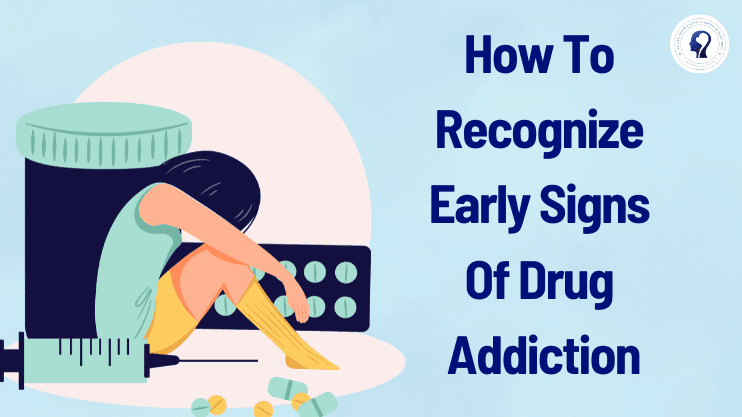
Early Signs of Addiction People Often Miss

By Meghan M., CBHT | February 6, 2026 |

Addiction rarely begins with obvious warning signs. In most cases, it develops gradually, blending into everyday life long before it becomes visible to others. Because early changes can look like stress, burnout, or normal life transitions, addiction often goes unnoticed until it causes serious consequences. Recognizing early addiction signs is critical. The sooner changes are…
The Role Families Play in Addiction Recovery

By Meghan M., CBHT | February 5, 2026 |

Families play a powerful role in addiction recovery, whether they intend to or not. Supportive involvement can strengthen recovery and stability, while misunderstanding or unintentional behaviors can increase stress and relapse risk. Because addiction affects entire family systems, recovery does as well. Understanding the family role in recovery helps clarify when support is helpful, when…

What Long Term Recovery Really Looks Like

By Meghan M., CBHT | February 4, 2026 |

Long term recovery is often misunderstood. Many people assume recovery ends when substance use stops or when treatment is completed. In reality, long term recovery is an ongoing process that continues well beyond early stabilization and formal care. Understanding what long term recovery really looks like helps set realistic expectations and supports healthier outcomes for…

How Mental Health Challenges Fuel Addiction

By Meghan M., CBHT | February 3, 2026 |

Mental health challenges and addiction are deeply connected. For many people, substance use does not begin as a recreational choice but as a way to cope with emotional pain, stress, or untreated psychological symptoms. When mental health needs go unmet, substances can become a form of self-medication that gradually turns into dependence. Understanding how mental…

Why Addiction Rates Keep Rising Across the U.S.

By Meghan M., CBHT | February 2, 2026 |

Addiction rates in the United States continue to rise despite increased awareness, expanded treatment options, and public health initiatives. This trend raises difficult questions for individuals, families, and communities trying to understand why substance use disorders are becoming more common rather than less. The reasons are not simple or singular. Rising addiction rates reflect a…
Addiction Recovery Trends Shaping Lives Today

By Meghan M., CBHT | February 1, 2026 |

Addiction recovery in the United States looks very different today than it did even a decade ago. As overdose rates, mental health challenges, and public awareness continue to rise, recovery systems are evolving in response. These shifts are not about trends for the sake of novelty—they reflect real changes in how people access care, stay…