
The Recovery Blog
Your resource for real recovery & support.








Recognizing Relapse Warning Signs Early
One of the biggest misconceptions about relapse is that it happens suddenly. Many people imagine relapse as a single decision…
Mental Wellness After Addiction Treatment
Completing addiction treatment is an important achievement, but recovery involves much more than maintaining physical sobriety. Many individuals discover that…
How Support Groups Strengthen Recovery
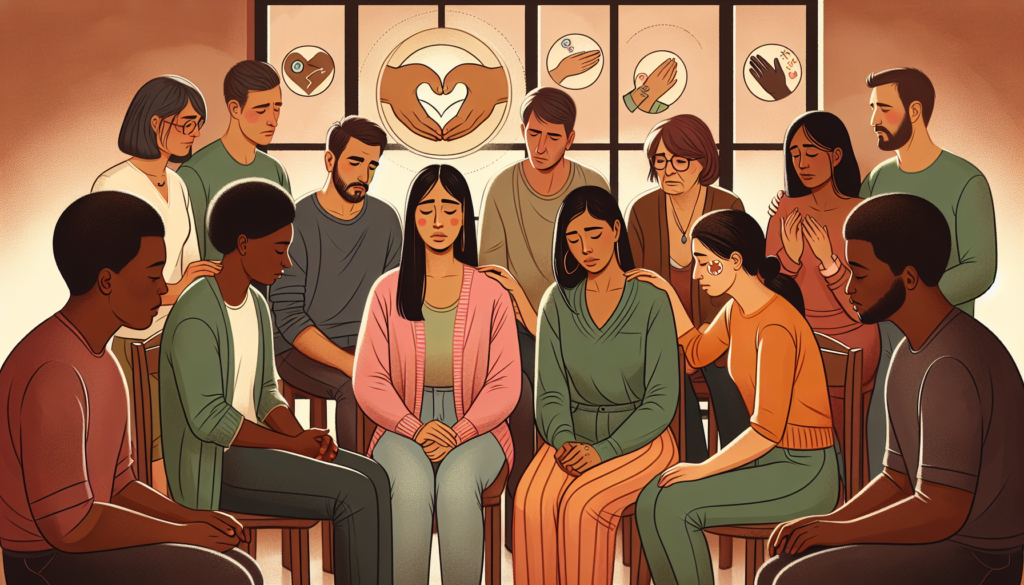
Recovery can feel overwhelming when someone believes they have to face it alone. Many individuals enter treatment carrying years of…

Building Confidence After Rehab
Leaving rehab is a significant milestone, but many people are surprised to discover that recovery involves rebuilding much more than…
Setting Sobriety Goals for Long Term Success
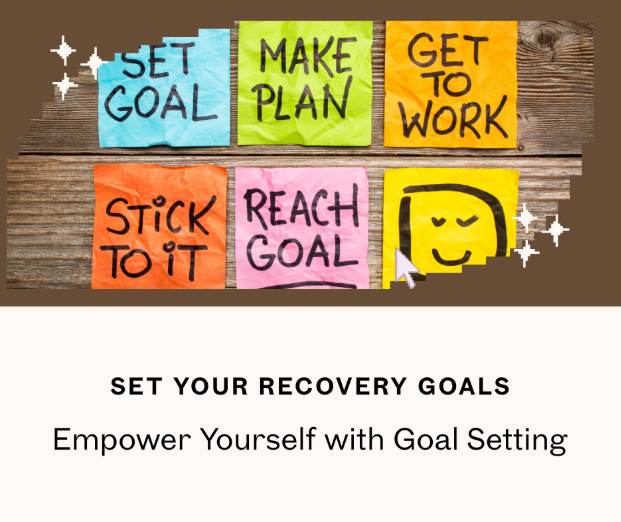
Recovery is built one decision at a time, but those daily decisions become much easier when they are connected to…

Coping With Cravings During Recovery
One of the biggest concerns people have when they begin recovery is whether cravings will ever go away. Many individuals…

Recovery from addiction involves much more than physical sobriety. While stopping drugs or alcohol is an important first step, emotional healing often continues long after treatment begins. Many individuals entering recovery are not only rebuilding physical health, but also learning how to manage stress, anxiety, trauma, guilt, loneliness, and emotional instability without relying on substances…

Recovery from addiction often becomes much stronger when healthy daily habits replace the unstable routines and destructive behaviors connected to substance abuse. While sobriety is an important beginning, long term healing usually requires emotional growth, healthier coping skills, structure, and lifestyle changes that support mental and physical wellness consistently over time. Many individuals entering recovery…

The first stages of addiction recovery often feel unstable because daily life changes so dramatically after substance use stops. Many individuals entering sobriety realize they no longer have healthy structure guiding their day. Sleep schedules may be inconsistent, stress management may feel difficult, and emotional stability can fluctuate while the brain and body continue adjusting…

Stress is one of the most common challenges people face during addiction recovery. While sobriety often improves many areas of life over time, recovery itself can feel emotionally exhausting during difficult periods. Anxiety, emotional pressure, financial stress, relationship challenges, work responsibilities, and mental health struggles may all continue affecting individuals after substance use stops. Many…

Recovery from substance abuse involves much more than simply becoming sober. While stopping drugs or alcohol is an important step, long term healing usually requires emotional growth, healthier routines, mental wellness support, and lifestyle changes that continue long after treatment begins. Many individuals entering recovery are not only rebuilding physical health, but also working through…

Recovery from addiction can feel overwhelming when someone tries to handle everything alone. While treatment and sobriety are important steps, long term recovery often becomes much stronger when individuals remain connected to healthy support systems and recovery focused communities during the healing process. Addiction frequently creates emotional isolation, damaged relationships, and unhealthy coping patterns over…

Recovery from addiction often feels overwhelming during the beginning stages of sobriety. Many individuals entering recovery are trying to rebuild emotional stability, healthier routines, relationships, and daily structure after addiction disrupted multiple areas of life over time. While becoming sober is a major accomplishment, long term healing usually requires ongoing support, emotional guidance, accountability, and…

Recovery from addiction involves learning how to manage life without relying on drugs or alcohol to escape emotional discomfort. Many individuals struggling with substance abuse previously used substances to cope with stress, anxiety, loneliness, trauma, frustration, or emotional pain. Once sobriety begins, those emotions do not disappear immediately. Instead, recovery often requires developing healthier ways…

Recovery from addiction involves far more than simply avoiding drugs or alcohol. Long term sobriety usually requires major lifestyle changes that support emotional wellness, healthy routines, stress management, and personal growth over time. Many individuals entering recovery quickly realize that maintaining sobriety becomes much harder when old habits, unhealthy environments, emotional instability, and destructive routines…
Recovery from addiction involves much more than physical sobriety. Emotional wellness, stress management, healthy routines, and mental stability all play major roles in long term recovery success. Many individuals entering sobriety quickly realize that emotional healing continues long after substance use stops. Anxiety, emotional exhaustion, mood swings, stress, and unhealthy coping patterns may still affect…