
The Recovery Blog
Your resource for real recovery & support.
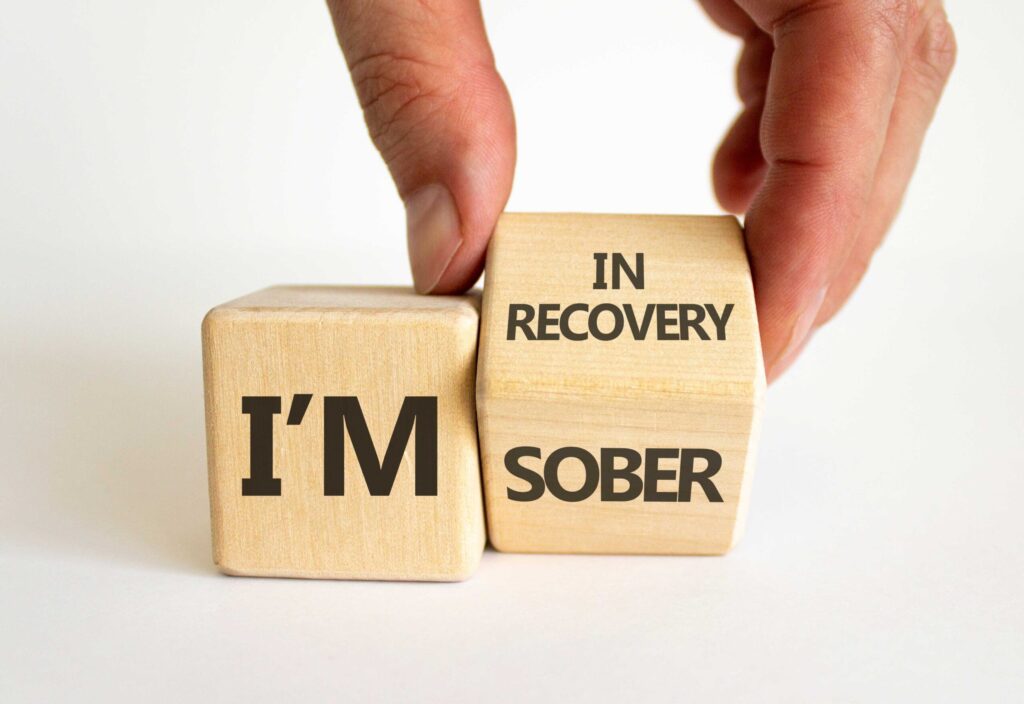









Recognizing Relapse Warning Signs Early
One of the biggest misconceptions about relapse is that it happens suddenly. Many people imagine relapse as a single decision…
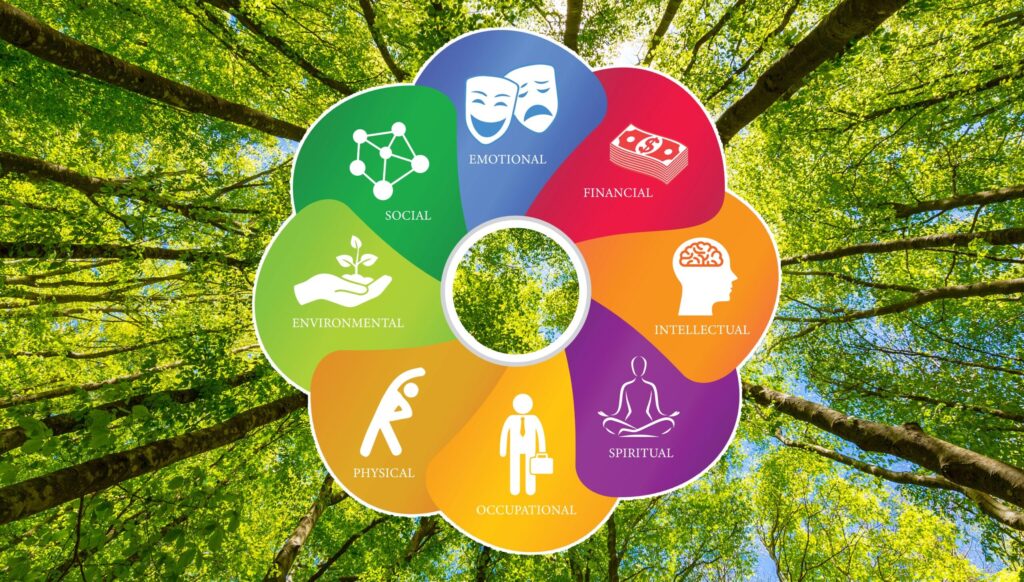
Mental Wellness After Addiction Treatment
Completing addiction treatment is an important achievement, but recovery involves much more than maintaining physical sobriety. Many individuals discover that…
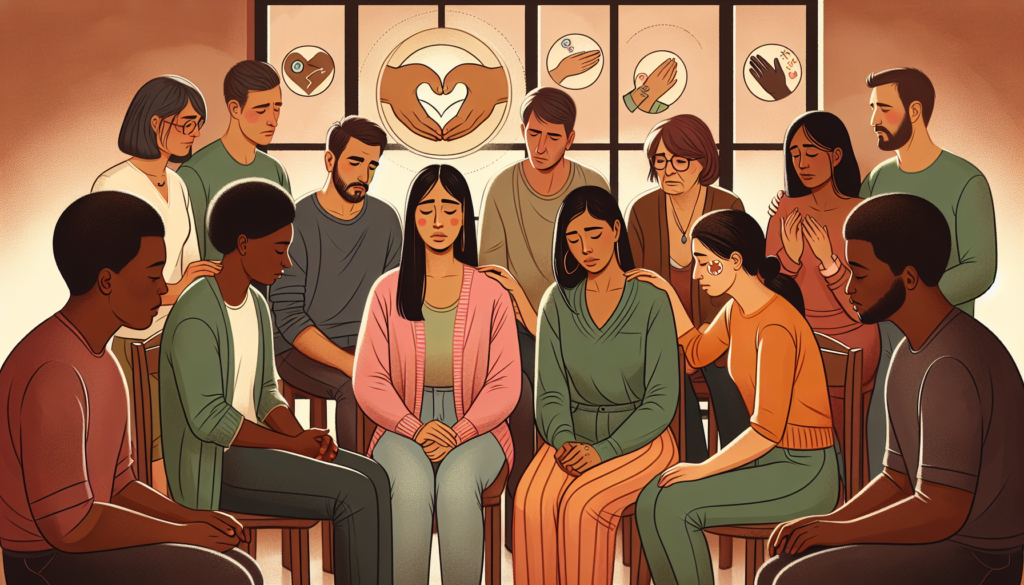
How Support Groups Strengthen Recovery
Recovery can feel overwhelming when someone believes they have to face it alone. Many individuals enter treatment carrying years of…

Building Confidence After Rehab
Leaving rehab is a significant milestone, but many people are surprised to discover that recovery involves rebuilding much more than…
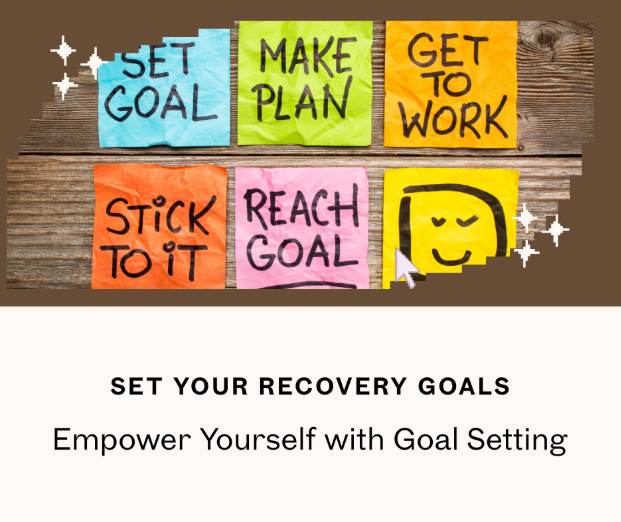
Setting Sobriety Goals for Long Term Success
Recovery is built one decision at a time, but those daily decisions become much easier when they are connected to…

Coping With Cravings During Recovery
One of the biggest concerns people have when they begin recovery is whether cravings will ever go away. Many individuals…

Addiction is often discussed in terms of behavior, mental health, and relationships, but its impact on the body is just as significant. When people ask how addiction impacts physical health, they are usually referring to the visible consequences such as weight loss, fatigue, or illness. However, the physical effects go much deeper than what can…

Early sobriety is one of the most important and challenging stages of recovery. It is a period of adjustment where the body and mind begin to recover from the effects of substance use. Understanding what to expect in early sobriety can help individuals navigate this phase with more clarity and less frustration. This stage is…

Completing a treatment program is a major step in recovery, but it is not the end of the process. In many ways, it is the beginning of a new phase where individuals must apply what they have learned in a less structured environment. This is why understanding how to stay sober after treatment is critical…

Recovery from addiction requires more than stopping substance use. It involves learning how to handle stress, emotions, and daily challenges without returning to old patterns. This is where coping skills for addiction recovery become essential. Coping skills are the tools individuals use to respond to situations in a healthy and controlled way. During addiction, substances…

Rebuilding trust after addiction is one of the most difficult parts of recovery. While stopping substance use is a major step, repairing relationships requires a completely different kind of work. When people ask how to rebuild trust after addiction, what they are really asking is how to repair damage that developed over time through broken…
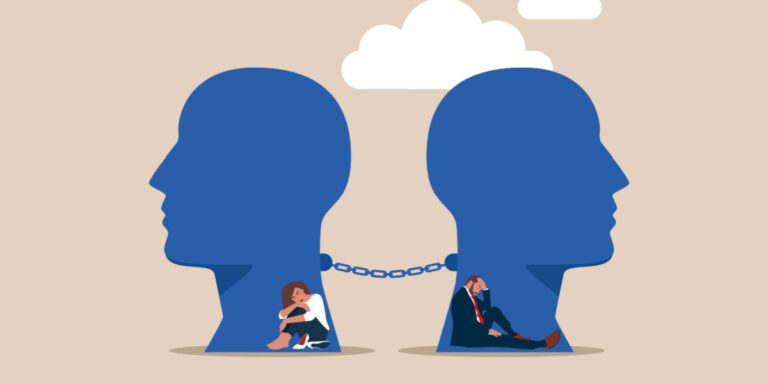
Addiction rarely exists in isolation. It often affects the dynamics between individuals, especially within close relationships. One of the most common patterns that develops is codependency. Understanding codependency in addiction relationships is essential because it can keep both individuals stuck in unhealthy cycles, even when they want things to change. Codependency is not simply about…

Addiction does not only impact the person using substances. It affects everyone connected to them, especially family members. When people ask how addiction affects families emotionally, they are often trying to make sense of the stress, confusion, and pain that builds over time. The emotional toll is real, and it often develops slowly, making it…

Recovery from addiction is not something most people can sustain alone. While the decision to stop using substances is personal, maintaining long-term sobriety often depends on the presence of consistent, reliable support. This is why the importance of support systems in recovery cannot be overstated. Addiction tends to isolate individuals. It can damage relationships, reduce…
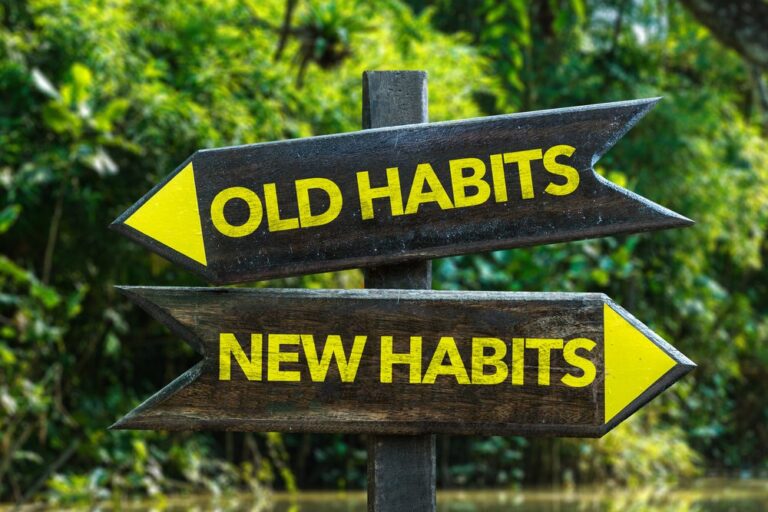
Addiction triggers are one of the most common causes of relapse, especially in early recovery. Even after someone has stopped using drugs or alcohol, certain situations, emotions, or environments can create a strong urge to return to substance use. This is why learning how to manage addiction triggers is not optional. It is a core…

Cravings are one of the most challenging parts of addiction recovery. Even after someone stops using drugs or alcohol, the urge to return can still show up unexpectedly. This leads many people to ask why cravings happen in recovery, especially when they are committed to staying sober. The answer comes down to how addiction changes…